
Reverse Mortgages Are Available!
Access a portion of your home equity in retirement while continuing to live in your home with no required monthly mortgage payments for qualified borrowers.
Why Choose a Reverse Mortgage?
A reverse mortgage pays off your existing mortgage, should you have one, by allowing you access to the home equity you’ve worked so hard to build. Any money left after paying off your existing mortgage is available to use as you see fit.
✅ Full or Partial Lump Sum
✅ Line of Credit
✅ Monthly Payments
✅ Combination of Any of These
You have the option to change your disbursement method at any time.
About Reverse Mortgage
Reverse mortgages are designed for homeowners age 62 and older who want to access a portion of their home equity without selling their home. The most common type is a Home Equity Conversion Mortgage (HECM), which is insured by the Federal Housing Administration (FHA).
With a reverse mortgage, qualified homeowners may convert a portion of their home’s equity into cash while continuing to live in the home. Unlike traditional mortgages, monthly mortgage payments are generally not required as long as the borrower meets program obligations.
Our team helps simplify the reverse mortgage process by providing clear information, helpful tools, and guidance so you can understand your options and determine whether this type of loan fits your financial goals.
(A) At the conclusion of the term of the reverse mortgage loan contract, some or all of the equity in the property that is the subject of the reverse mortgage no longer belongs to the person and the person may need to sell or transfer the property to repay the proceeds of the reverse mortgage from the proceeds of the sale or transfer or the person must otherwise repay the reverse mortgage with interest from the person’s other assets.
(B) The lender will charge an origination fee, a mortgage insurance premium, closing costs or servicing fees for the reverse mortgage, all or any of which the lender will add to the balance of the reverse mortgage loan.
(C) The balance of the reverse mortgage loan grows over time and the lender charges interest on the outstanding loan balance.
(D) The person retains title to the property that is the subject of the reverse mortgage until the person sells or transfers the property and is therefore responsible for paying property taxes, insurance, maintenance and related taxes. Failing to pay these amounts may cause the reverse mortgage loan to become due immediately and may subject the property to a tax lien or other encumbrance or to possible foreclosure.
(E) Interest on a reverse mortgage is not deductible from the person’s income tax return until the person repays all or part of the reverse mortgage loan.
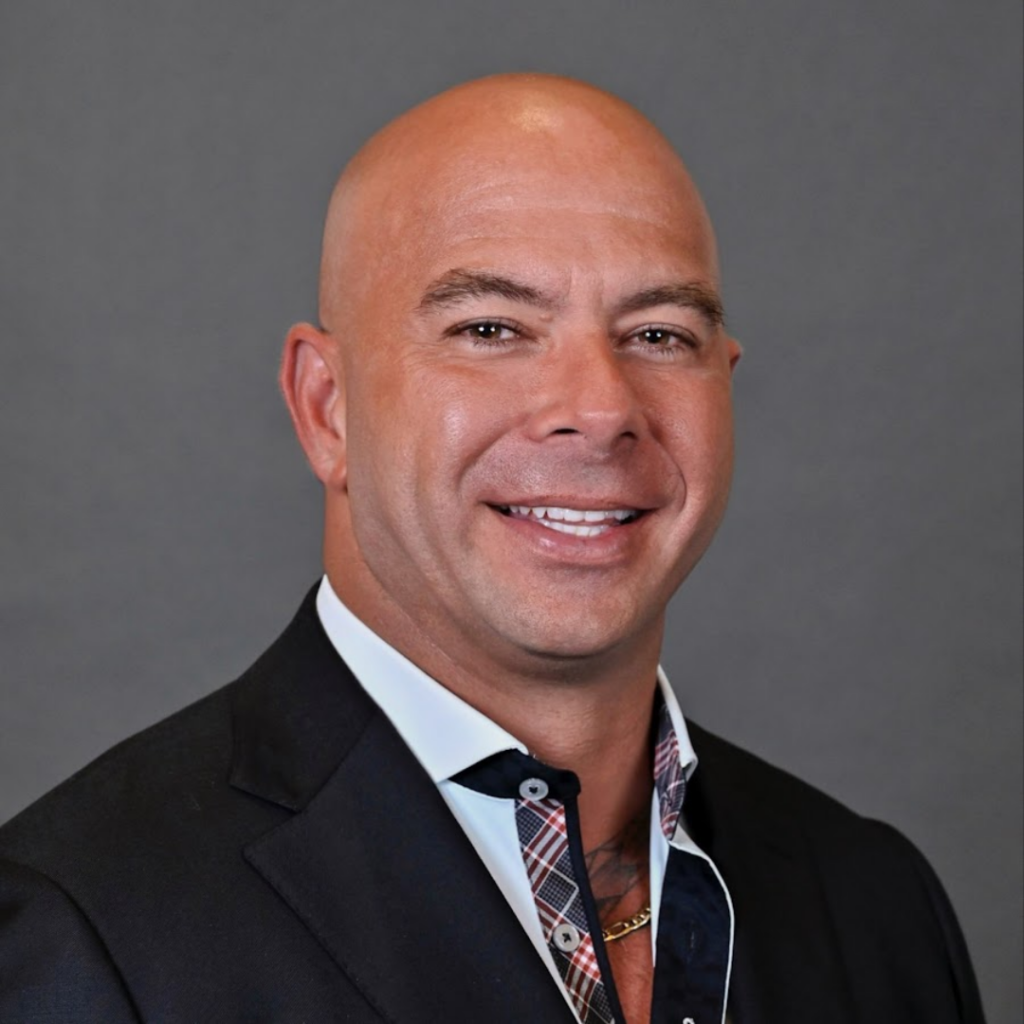
PATRICK GRACE
NMLS #: #2476993
📞 816-456-1843
✉️ pgrace@nexalending.com